A hearing aid is never the starting point. First we find out what’s behind your hearing difficulty, and whether it needs medical care. Then we build a plan around your hearing, your health and your daily life. For many people that plan includes a device: a hearing aid, a bone-anchored device, a cochlear implant or an assistive listening system.
How we build your plan
Understand your results
We explain what your tests show and what may be causing your hearing difficulty.
Rule out medical causes
If something may need a doctor’s care, we refer you first.
Match the help to your life
We talk through where hearing is hardest, at home, at work or at school, and what matters most to you. Then we recommend options, with or without a device.
Fit, adjust and follow up
Devices are programmed to your own results and adjusted as your needs change.
Cochlear implants
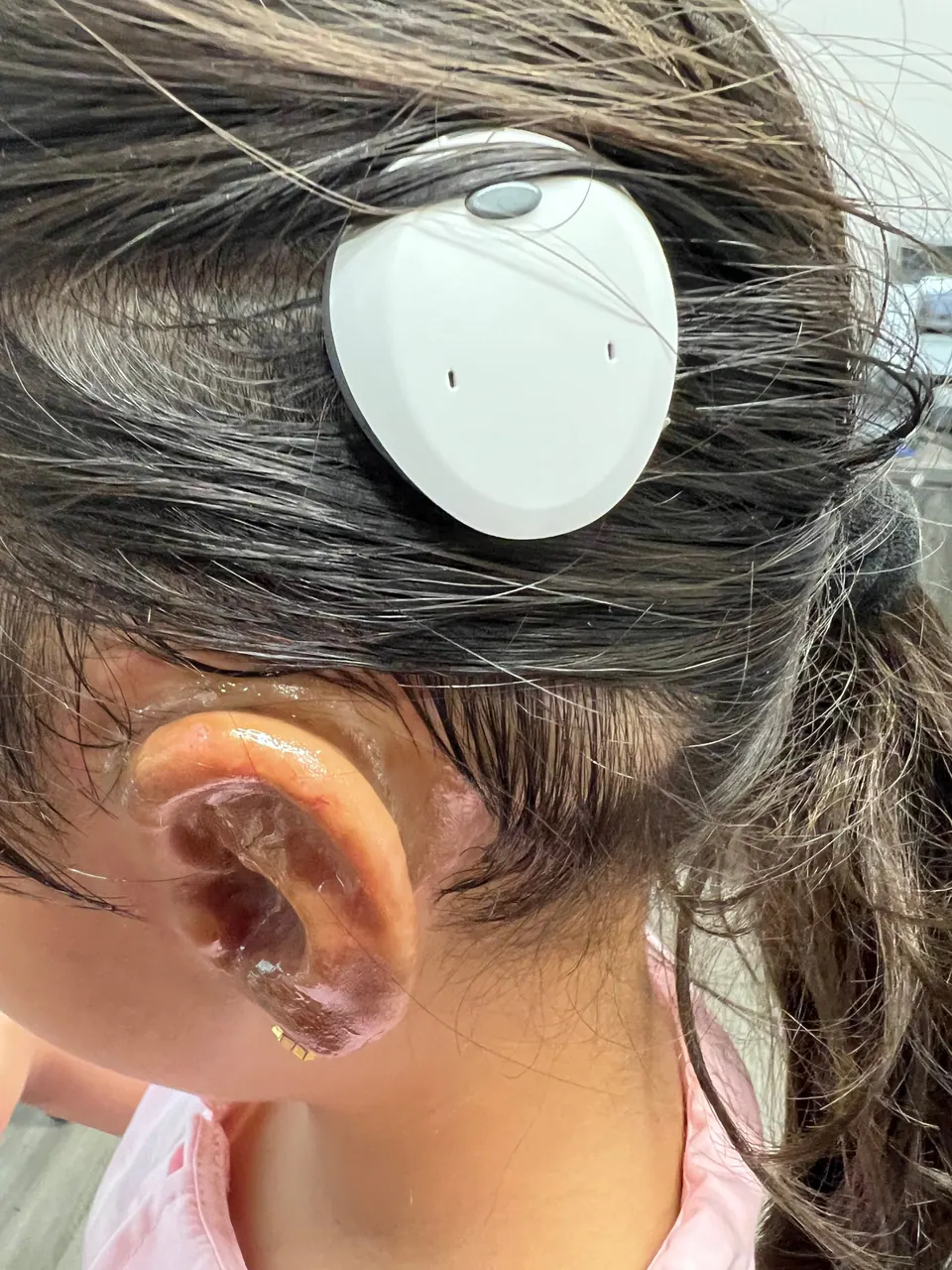
A cochlear implant can give a sense of sound to children and adults who are deaf or severely hard of hearing. It doesn’t restore normal hearing, but it can help a person understand speech and recognize everyday sounds.
- How it differs from a hearing aid
A hearing aid makes sound louder. A cochlear implant bypasses the damaged part of the inner ear and sends signals straight to the hearing nerve.
- The parts
A sound processor worn behind the ear picks up sound and sends it to a receiver placed under the skin during surgery, which passes signals to electrodes in the cochlea.
- Who it may help
Children and adults who are deaf or severely hard of hearing. The FDA has approved cochlear implants for eligible children beginning at 9 months of age.
- What’s involved
Conversations with medical specialists, including an experienced implant surgeon; the surgery itself; and then time and practice. Learning to hear with an implant takes therapy, often with audiologists and speech-language pathologists.
Source: NIDCD, Cochlear Implants (opens an external website)
Bone-anchored hearing aids (BAHA)
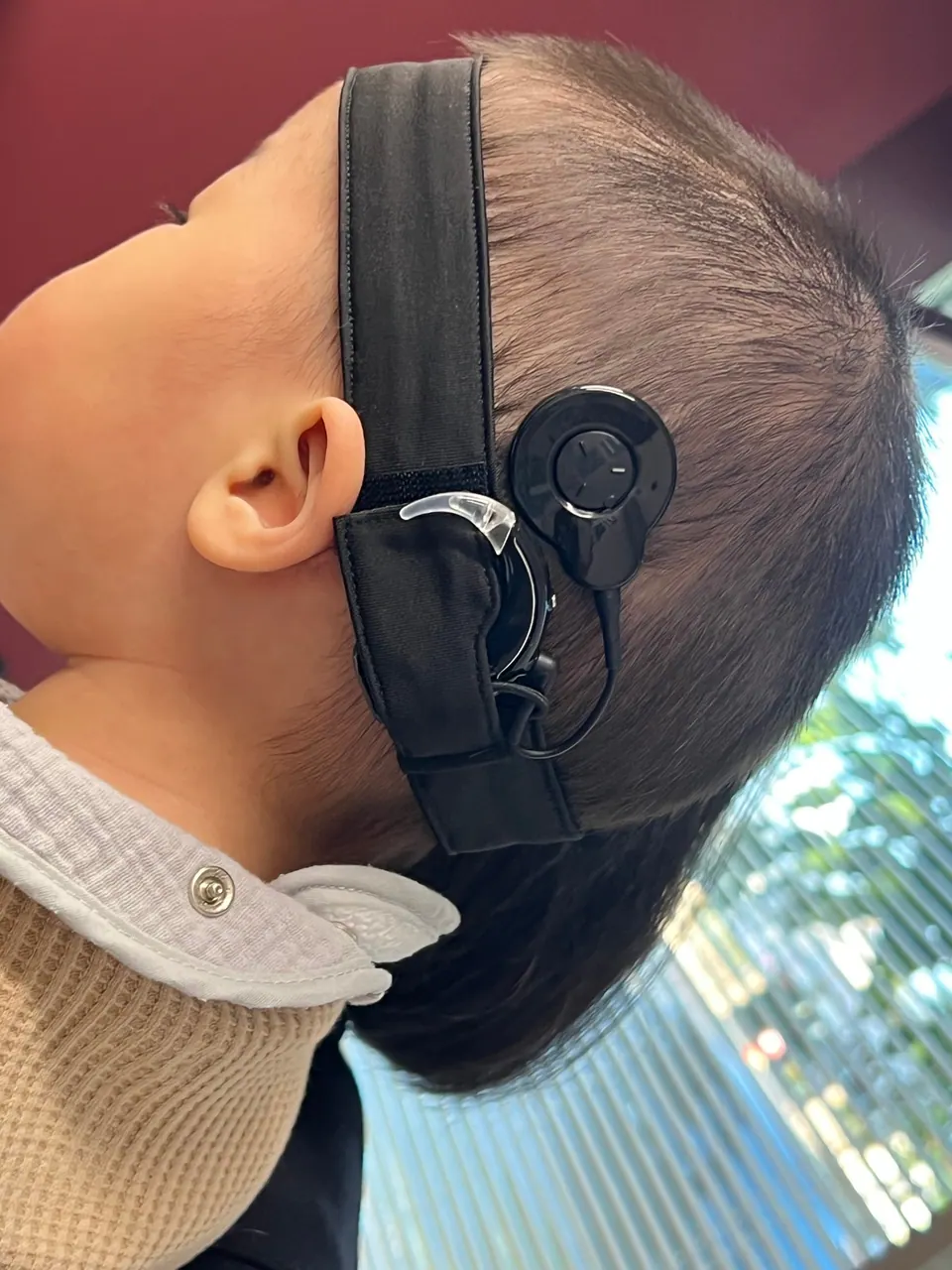
A bone-anchored hearing aid uses bone conduction to transmit sound. It is ideal for people who can’t use traditional hearing aids and is often recommended for conductive or mixed hearing loss, single-sided deafness or chronic ear infections.
- Device types
Osseointegrated or non-osseointegrated devices.
- How they are worn
On a softband, SoundArc or ADHEAR behind the ear, or surgically implanted using an abutment, an external magnet or an internal device.
Hearing aids can help you stay connected
Research shows hearing aids improve communication with loved ones and are associated with a better overall quality of life.
Our audiologists help you find the right fit for your hearing needs and lifestyle — and make sure your device is properly programmed for you.
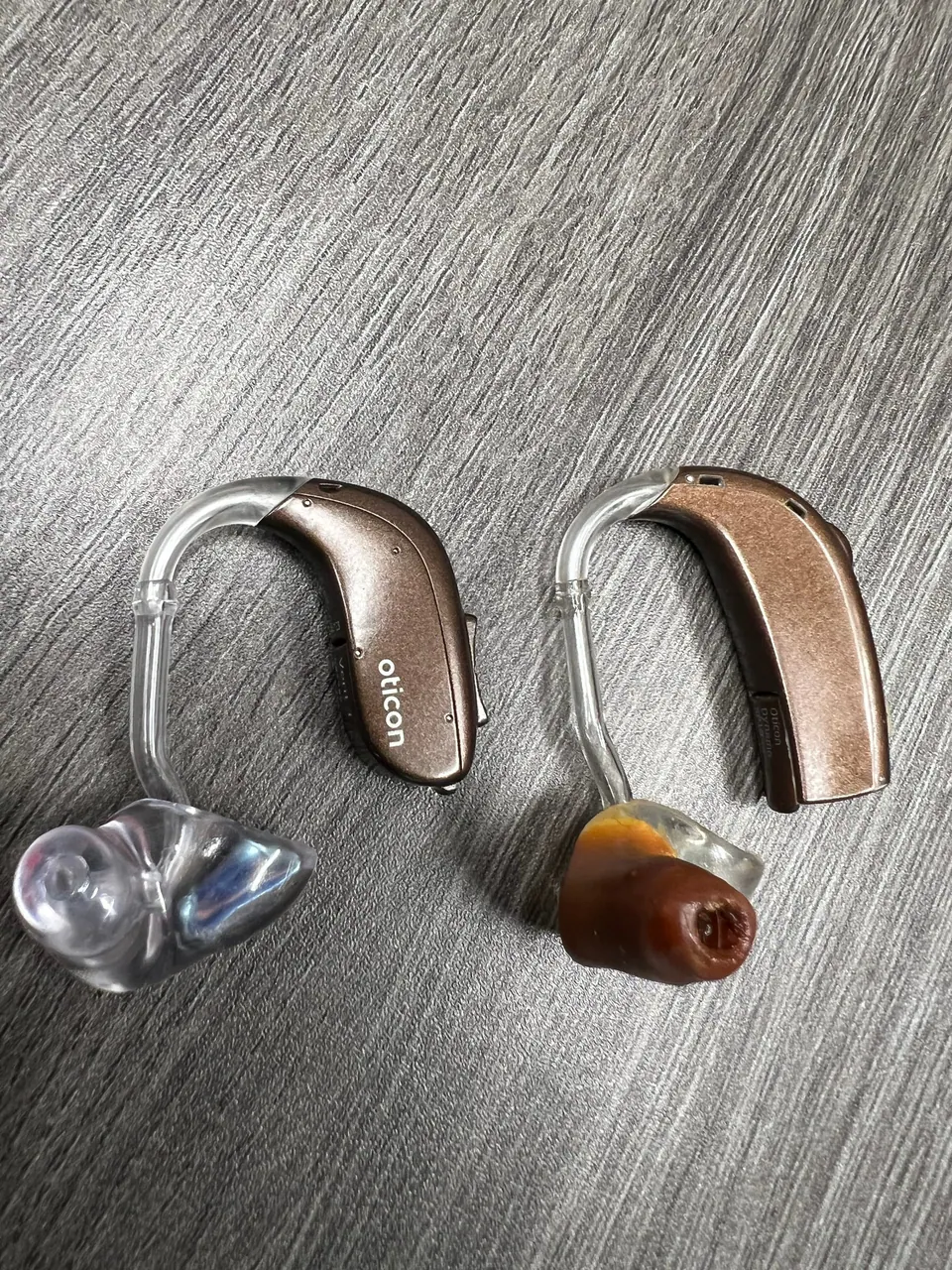
Hearing aid styles
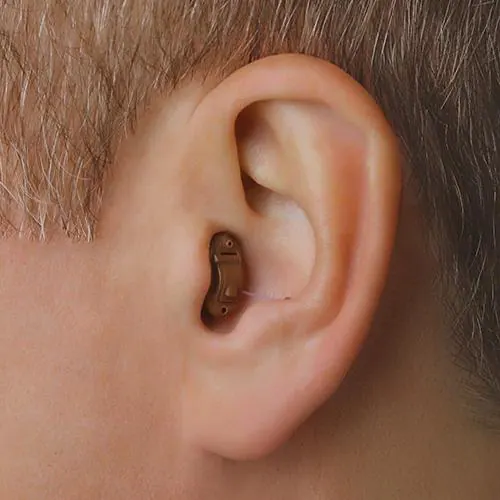
Completely in the canal (CIC)
CIC and mini CIC aids are molded to fit inside your ear canal.
Typically forMild to moderate hearing loss in adults
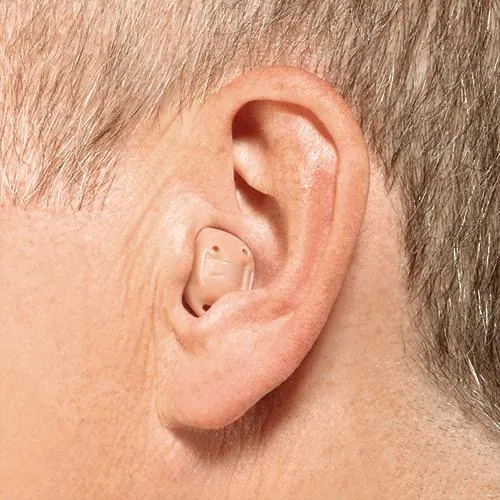
In the canal (ITC)
Custom molded to fit partly in the ear canal.
Typically forMild to moderate hearing loss in adults
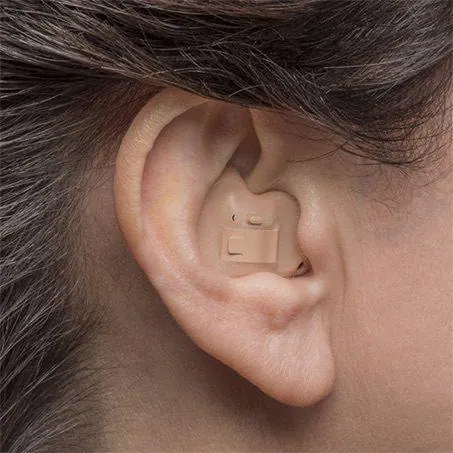
In the ear (ITE)
Custom made in two versions: one fills most of the outer ear, the other only the lower part.
Typically forMild to severe hearing loss
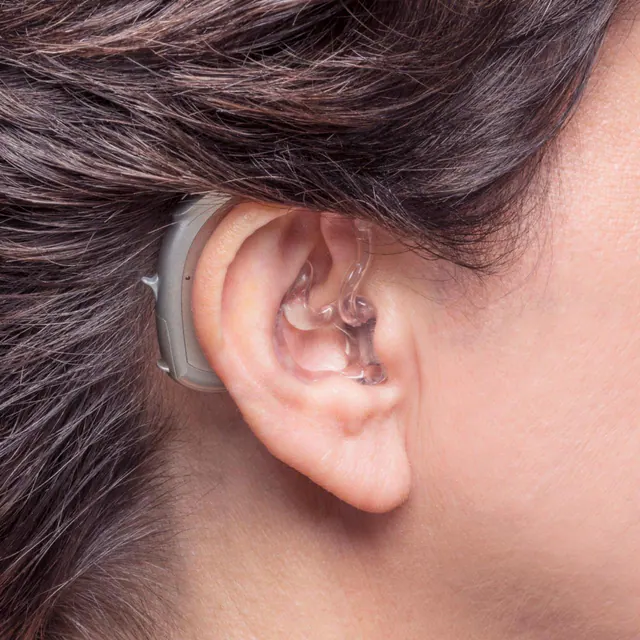
Behind the ear (BTE)
Hooks over the top of the ear and rests behind it, with the receiver in the ear.
Typically forPeople of all ages, any level of hearing loss
Finding the right hearing aid
With so many options, choosing a hearing aid can feel overwhelming. Our audiologists are here to help you find the best fit for your hearing and lifestyle.
Quick tips to keep in mind
- Choose a device that can adapt over time — most last three to five years.
- Today’s technology reduces background noise, but it won’t restore perfect hearing.
- Ask about warranty coverage.
- Check your insurance for hearing aid benefits.
Maintenance & repair
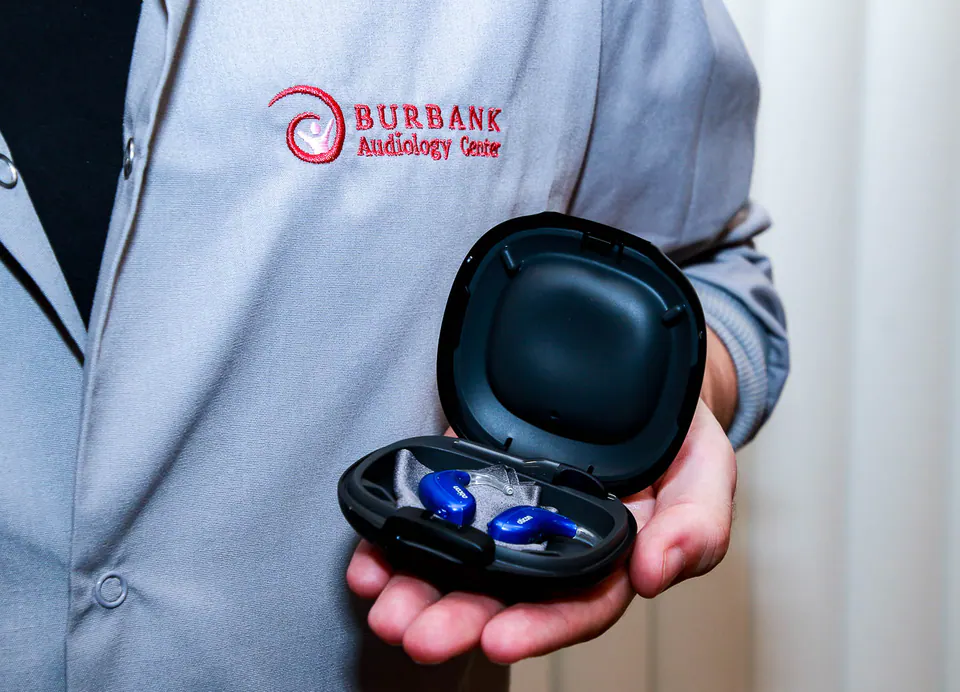
Regular cleaning and care help extend the life of your hearing aids.
If you notice sound problems, discomfort or damage, an audiologist can inspect, clean, adjust or repair your device as needed.
Call (818) 859-7730Accessories
Essentials for maintenance
- Batteries
- Cleaning tools
- Carry case
Optional, for added ease
- Custom earmolds
- Dehumidifiers
- Bluetooth streamers
- Assistive listening devices
Batteries
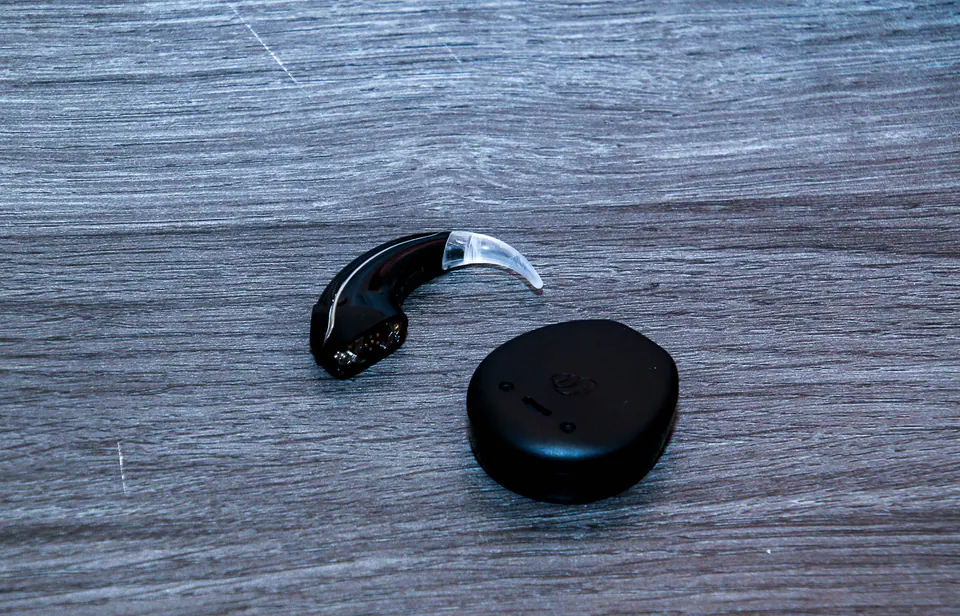
Most hearing aids that use disposable batteries use zinc-air cells, which activate when their sticker is removed. They come in four sizes and last 3 to 20 days depending on use and size. Some hearing aids are rechargeable instead — your audiologist can explain the options.
Battery tips
- Store batteries in a cool, dry place.
- Remove batteries when the hearing aid isn’t in use to extend battery and device life. If you can’t remove them, turn the device off.
- Don’t carry batteries loose — contact with metal can cause a short circuit.
Assistive listening devices
Assistive listening devices (ALDs) amplify sound and reduce background noise to make speech clearer — especially helpful in noisy settings and for entertainment. Most transmit sound wirelessly.
| Device | How it works | Great for |
|---|---|---|
| Telephone amplifiers | Boosts call volume | Phone calls |
| FM systems | Radio signals | Classrooms |
| Infrared systems | Light signals that stay within the room | Theaters |
| Induction loop systems | Electromagnetic fields; no separate receiver needed | Public venues and homes |
Common questions
- Do I need a hearing aid?
Not always. We first find out what’s behind your hearing difficulty and whether it needs medical care, then recommend options that fit your life, with or without a device.
- Can you help with cochlear implants?
We help you understand whether an implant could be right for you or your child, explain what to expect at each step, and guide you to the surgeons and implant teams we work with.
- How do I choose a hearing aid?
Our audiologists help you find the best fit for your hearing and lifestyle. Choose a device that can adapt over time (most last three to five years), ask about warranty coverage and check your insurance for hearing aid benefits.
- Do you clean, adjust or repair hearing aids?
Yes. If you notice sound problems, discomfort or damage, an audiologist can inspect, clean, adjust or repair your device. Call (818) 859-7730.
- What if I can’t use a traditional hearing aid?
A bone-anchored hearing aid uses bone conduction to transmit sound. It is often recommended for conductive or mixed hearing loss, single-sided deafness or chronic ear infections.
- Will hearing aids restore perfect hearing?
Today’s technology reduces background noise, but it won’t restore perfect hearing. Your audiologist can help set realistic expectations.
Questions? We’re here to help.
Connect with our team for guidance about your care or your family’s next steps.